Heat treatment of metals
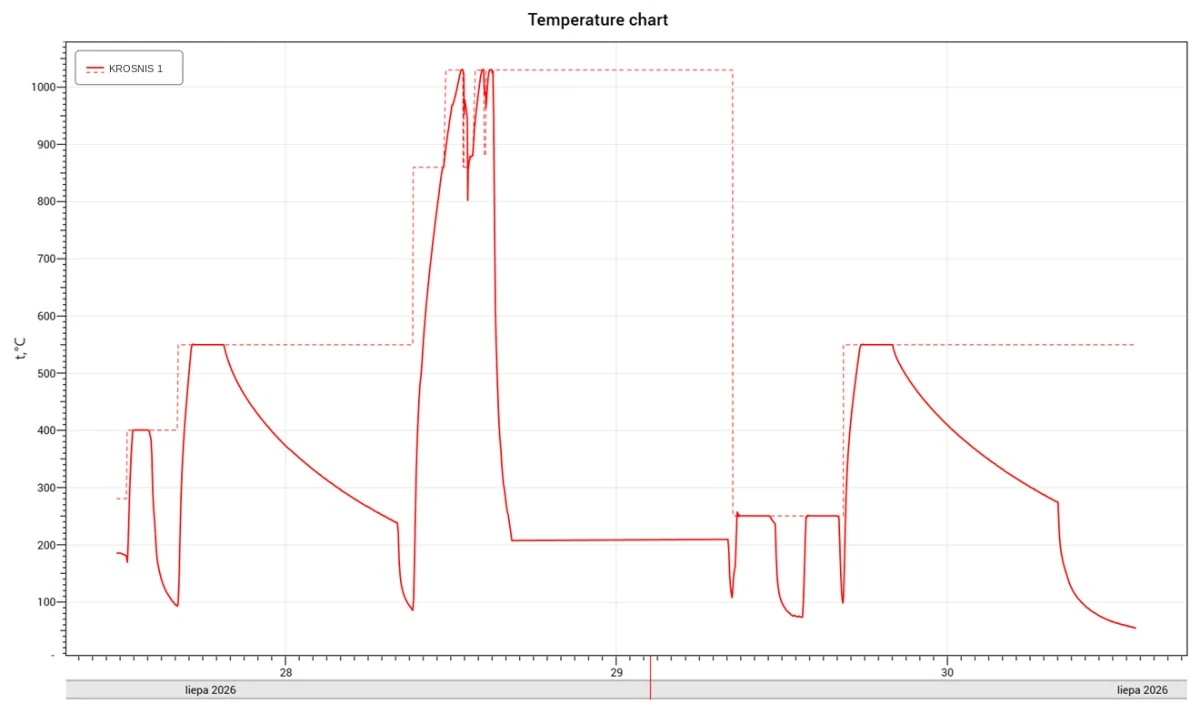
Furnace hardening – strengthening the metal structure and improving its properties. Heat treatment increases resistance to wear and load and extends the service life of parts.
Technical information
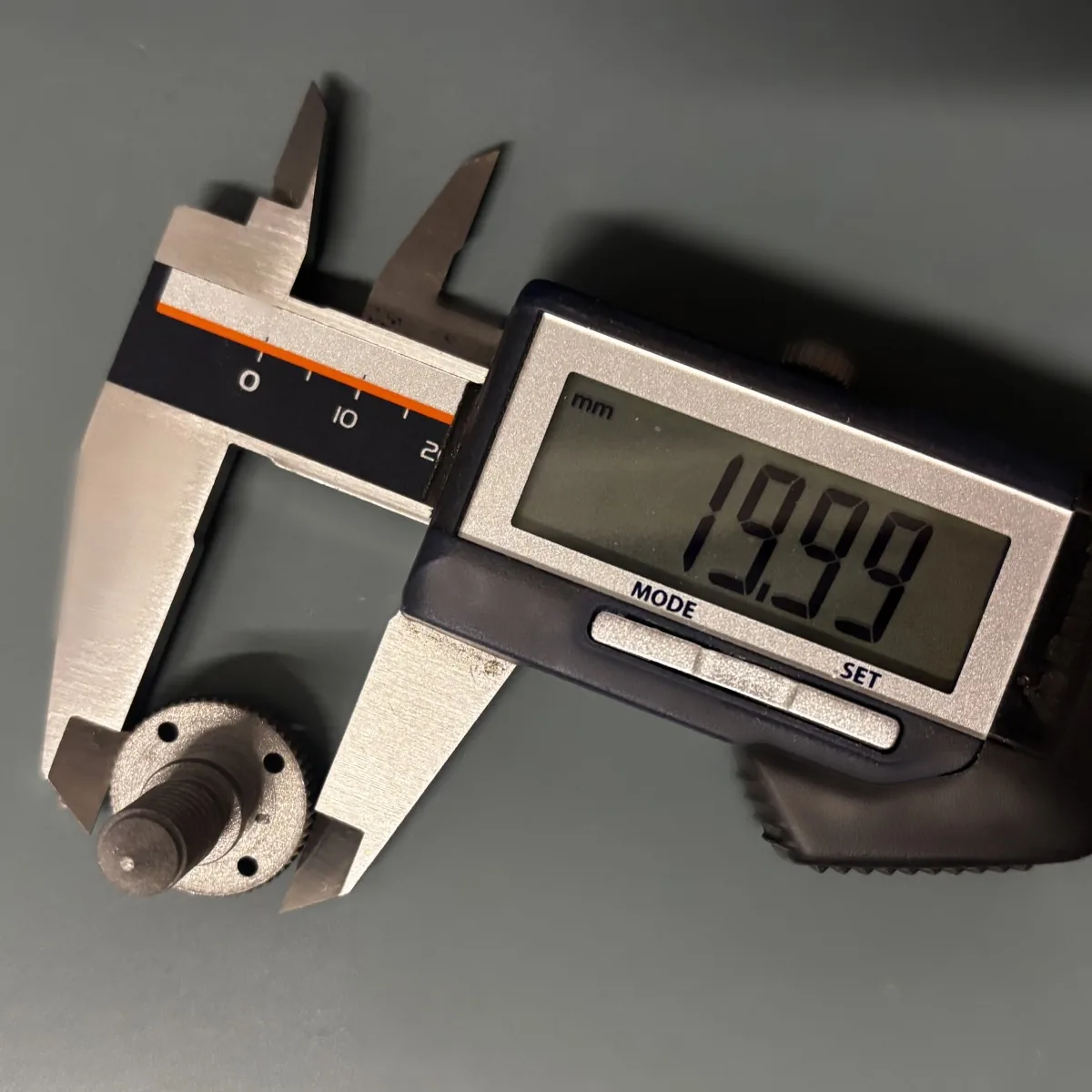
Heat-treated part examples
Heat treatment doesn’t change a part’s shape – it changes the material itself. After hardening, the same part withstands several times more friction and load, even though it looks exactly the same. That is why this step often decides whether a product lasts a year or a decade.
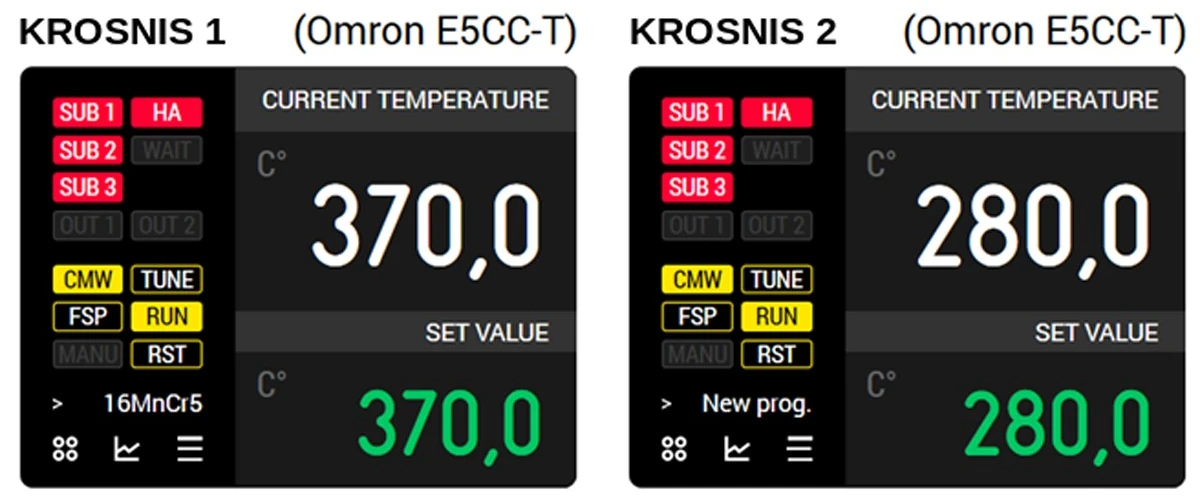
We have several furnaces, so different treatments can run in parallel – no waiting for one to become free. We heat-treat both our own parts and parts brought in from elsewhere. If a part must meet an exact dimension after hardening, we can grind it straight away – both jobs are done in the same workshop in Kaunas.
How do we handle orders?
Enquiry
We carefully review the 2D drawings, 3D models and technical specifications you provide, and assess the part geometry and material properties.
Quotation
We agree on the manufacturing technology, tolerances, quantities and lead times, and provide an accurate quotation. Once the order is confirmed, the project goes straight into our production schedule. If needed, we also arrange additional services (heat treatment, anodising, galvanising, etc.).
Production
We manufacture using modern equipment. To ensure full compliance with the technical requirements, we carry out strict measurement and quality control both during and after machining.
Logistics
We pack products securely to protect surfaces from damage and deliver them to the agreed address on time.
How to submit an enquiry
The more precise your enquiry, the faster you get a price. A drawing and the quantity are usually enough, but if you have more information, send it straight away – it saves extra questions.
What to provide
Useful to include
We treat drawings and technical information as confidential – we do not share them with third parties or use them for other orders.
Materials used in manufacturing
We use only high-quality, certified materials. Taking into account your project requirements, operating conditions and loads, we help you choose the optimal material.
Frequently asked questions
Heat treatment of metals is a controlled process of heating, holding at high temperature and cooling, which changes the internal structure of the material and thus its mechanical properties – hardness, strength and wear resistance.
Unlike machining, heat treatment does not change the shape or dimensions of the part – it changes the material itself. That is why it is usually performed after milling or turning, as a final production step.
We provide heat treatment services from our production base in Kaunas – for customers in Lithuania and across Europe.
Heat treatment is needed when a part is subjected to high loads, friction or impact in service – for example, cutting tools, dies, cams, small shafts or gears.
It is also used to relieve stresses after welding or intensive machining, or when the part must meet a specific hardness value (HRC) stated on the drawing.
Not sure whether your part needs it? Tell us the conditions it will work in – we’ll suggest a suitable treatment or tell you it isn’t necessary.
Have a project?
Share your project requirements by email and we will prepare a tailored quotation. We are also happy to advise on early-stage projects – helping you assess needs and options and find the optimal solution.